Typed With Love: The Volunteer Translators Who Refuse to Let Asian Films Disappear
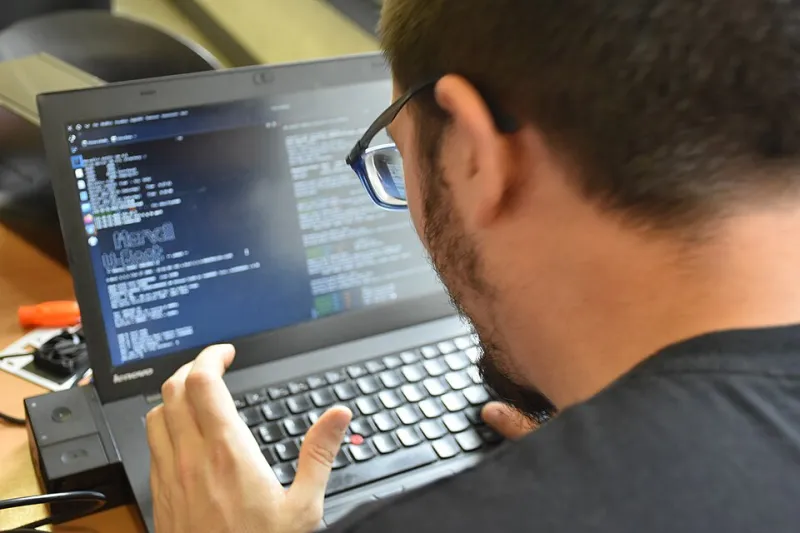
Photo: User:Kowalski7cc, CC0, via Wikimedia Commons
Somewhere in a suburb outside Houston, a woman named Linh spends her Sunday afternoons doing something most people would consider either incredibly generous or mildly illegal, depending on who you ask. She's translating a Vietnamese film — a 1990s drama that's never had an official English subtitle file, that isn't available on any legal streaming platform, and that her American-born daughter has been asking to watch for months because she keeps hearing her grandmother talk about it.
Linh isn't a professional translator. She works in healthcare administration. But she grew up speaking Vietnamese, studied English literature in college, and has been part of an online community of fan translators for nearly a decade. By Sunday evening, the subtitle file will be finished. By Monday, it'll be shared with a network of a few thousand people who needed it.
"Nobody was going to do it otherwise," she says simply. "These films aren't going to magically get official releases. If I don't do it, they just don't exist for people like my daughter."
A Movement Built Before Streaming Existed
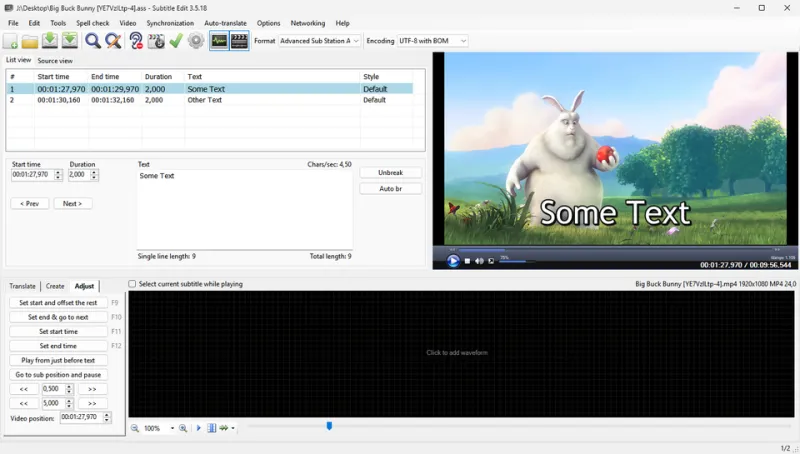
Fan subtitling — sometimes called fansubbing — has roots that predate streaming by decades. The practice grew up alongside home video, when anime fans in the US started creating their own English translations of Japanese animation that would never see an official American release. By the time the internet made file-sharing easy, fansubbing communities had already developed sophisticated workflows, style guides, and quality standards that rivaled (and sometimes surpassed) professional work.
What happened with anime eventually happened with Asian cinema more broadly. As Vietnamese, Thai, Filipino, and Indonesian films circulated in diaspora communities through VHS tapes, then DVDs, then digital files, volunteer translators followed. They formed online communities — forums, Discord servers, dedicated websites — and built systems for coordinating translation work, reviewing each other's output, and distributing finished files.
These weren't casual hobbyists throwing rough translations at a wall. Many of the most active communities developed detailed style guides specifying how to handle culturally specific terms, how to time subtitles to match natural speech rhythm, and how to render humor or poetry in ways that preserved the original's intent rather than just its literal meaning.
The Films That Might Not Exist Otherwise
The scope of what fan communities have preserved is genuinely staggering. Entire catalogs of Vietnamese cinema from the 1980s and 1990s — films with real artistic and historical significance — exist in accessible English form only because volunteers chose to translate them. The same is true for large portions of Thai independent cinema, Filipino films from the golden era of the 1970s, and countless Indonesian and Malaysian titles that never attracted the attention of commercial distributors.
For diaspora audiences, this isn't an abstract cultural concern. These are the films their parents watched, the stories that shaped their family's sense of home. When a Vietnamese-American in his thirties wants to share a film his mother loved with his American partner, a fan subtitle file might be the only thing that makes that moment possible.
There are also cases where fan translation work directly influenced official releases. Several Korean and Japanese films that eventually received official English-language distribution were first brought to the attention of Western distributors because fan communities had built an enthusiastic English-speaking audience around them. The fan subtitles functioned as proof of market demand — a demo that told distributors a real audience existed.
The Legal Grey Zone
None of this sits in entirely comfortable legal territory, and the communities involved know it.
Translating a film without authorization from the rights holder is technically a copyright infringement in most jurisdictions, regardless of whether money changes hands. Fan translators are generally not profiting from their work — in fact, many spend significant time and money on it — but that doesn't provide legal protection under US copyright law.
Most communities navigate this by operating with a kind of informal ethical code: don't translate films that have official English releases, don't monetize the work, take down files if a rights holder requests it, and prioritize content that would otherwise be completely inaccessible. It's not a legal defense, but it reflects a genuine attempt to occupy the space between preservation and infringement thoughtfully.
"We're not trying to compete with anyone," says a moderator of one of the larger Vietnamese film translation communities online. "We're filling a gap that the industry created by not caring about these films. If someone licenses a film and releases an official subtitle, we celebrate that. That's the goal."
In practice, rights holders rarely pursue action against fan translation communities, particularly for older or obscure content. The films involved often have complicated ownership histories, multiple rights holders across different territories, and no active commercial plans that a fan subtitle could realistically undermine.
When the Fans Became the Industry
The most striking development in recent years is how porous the line between fan translation and professional work has become. Several streaming platforms that have expanded their Asian content libraries have quietly reached out to fan communities for help — either hiring experienced volunteers as contractors, or using fan subtitle files as a starting point for official releases (sometimes without adequate credit or compensation, which has generated real tension).
A handful of fan translators have parlayed their community reputations into professional localization careers. The skills developed through years of volunteer work — cultural fluency, technical subtitle formatting, the ability to translate tone and not just words — are genuinely valuable, and some platforms have started recognizing that.
"The irony is that the industry ignored these films for decades, fan communities kept them alive, and now some of those same platforms want to benefit from the audience the fans built," observes one translator who made the jump to professional work. "It's complicated. But I'd rather the films reach more people than worry too much about who gets credit."
Still Typing on Sundays
For most volunteers, though, the work isn't about industry recognition. It's about the specific, irreplaceable feeling of making something that was locked away accessible to someone who needed it.
Linh finishes her subtitle file and sends it to her community. Within a day, she gets messages from people she's never met — in California, in Virginia, in Toronto — telling her they watched the film with their parents, their kids, their partners. One message is from a woman who says it's the first Vietnamese film her teenage son has ever watched with her all the way through.
"That's the whole thing," Linh says. "That's why you do it."