Off the Grid and Thriving: The Rogue Streaming Networks Diaspora Audiences Built When Hollywood Left Them Behind
Somewhere in a Discord server with 4,000 members, a Vietnamese-American woman in Houston is curating this week's film lineup. She's negotiating directly with a small distributor in Ho Chi Minh City, coordinating subtitles with a volunteer translator in San Jose, and scheduling a live watch party for members spread across a dozen time zones. No algorithm. No licensing drama. No corporate middleman. Just people who want to watch good movies — and figured out how to make it happen.
This isn't a fringe experiment. It's becoming a template.
The Problem That Built the Movement
For years, diaspora audiences in the US have dealt with a distribution landscape that treats their taste in cinema like a rounding error. A film wins major awards at Busan or earns cult status across Southeast Asia, and it either never lands on a major American platform or disappears from one after a licensing window expires. The titles that do make it through often arrive poorly subtitled, stripped of context, or buried so deep in an algorithm that you'd need to already know what you're looking for to find them.
The frustration isn't new. What's new is what communities are doing about it.
Over the past few years — accelerated, in part, by pandemic-era isolation that pushed people toward digital community-building — a growing network of independent film collectives, community-run micro-platforms, and subscription-based screening clubs has taken root across the US. These aren't piracy operations. They're something more interesting: functional alternatives to a system that wasn't designed with their audiences in mind.
How These Collectives Actually Work
The structures vary, but the core logic is consistent. Members pay a small monthly fee — often between five and fifteen dollars — into a shared pool. That money funds licensing agreements, translation work, and sometimes direct payments to filmmakers or distributors willing to work outside traditional channels. In exchange, members get access to curated content, community discussion spaces, and a level of editorial care that no major streaming platform has ever bothered to provide for niche Asian cinema.
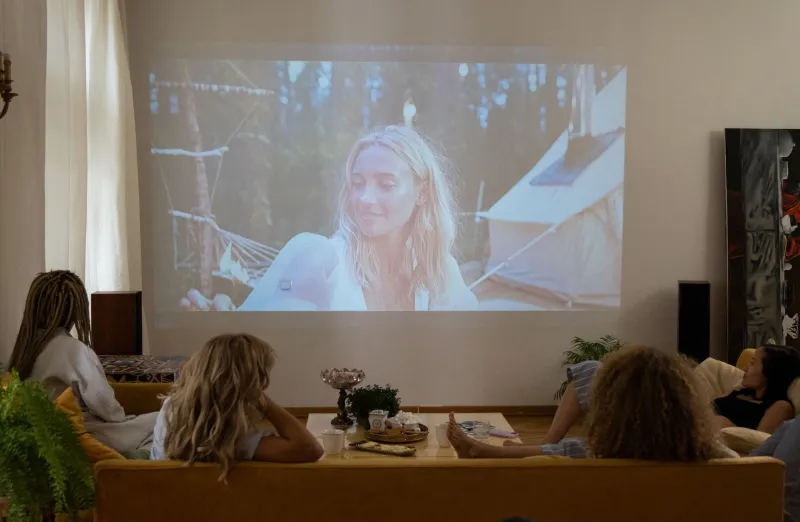
Some collectives operate almost entirely through Discord, using bots to manage access tiers and watch-party scheduling. Others have built lightweight web platforms with basic streaming infrastructure. A handful have gone further, partnering with independent theaters or community centers to host in-person screenings funded through their digital membership base.
What makes these operations surprisingly durable is the curation layer. Someone — usually a passionate community member who doubled as a film nerd long before this became their side hustle — is making actual editorial decisions. They're building themed months around a director's filmography, commissioning essays about cultural context, and hosting post-screening discussions that treat the audience like adults.
The Creator Side of the Equation
Here's what makes this model genuinely disruptive rather than just nostalgic: some filmmakers are starting to notice.
Independent directors in Vietnam, the Philippines, Indonesia, and Thailand — particularly those working outside the mainstream studio system — have found that these collectives offer something major platforms can't: a direct relationship with an engaged, paying audience. When a collective licenses a film, that filmmaker often knows exactly who watched it, gets real feedback, and receives a payment that wasn't diluted through four layers of distribution markup.
For micro-budget filmmakers whose work would otherwise circulate only at festivals before disappearing, this is meaningful. A few collectives have gone further, moving into co-production territory — pooling member funds to help finance films in exchange for early access rights. It's a crowdfunding model with a streaming layer built on top, and while it's still small-scale, it's a proof of concept that the industry hasn't fully reckoned with.
The Legal Gray Zone (And Why It Matters Less Than You'd Think)
Not every collective operates with clean licensing paperwork, and that's worth acknowledging honestly. Some exist in ambiguous territory — screening films under informal agreements, relying on the goodwill of rights holders who either don't know or don't mind. The line between a community film club and a distribution operation without proper rights can get blurry fast.
But the more established collectives have made a deliberate choice to stay above board, precisely because they want to build something lasting. They've seen what happens when informal operations get a cease-and-desist letter — the whole community evaporates overnight. The ones that are growing are the ones that treat legal clarity as a feature, not an obstacle.
This has pushed some of them into surprisingly sophisticated territory. They're negotiating directly with rights holders, drafting licensing agreements, and in some cases working with entertainment lawyers who specialize in independent distribution. A few have even incorporated as nonprofits or LLCs, which gives them credibility when approaching distributors and provides members with a more stable platform.
What This Reveals About the Future
Mainstream platforms aren't going to suddenly start caring deeply about the Vietnamese-American viewer in Anaheim who wants to watch a slow-burn thriller from Hanoi. The economics don't work out for them — not when the same licensing budget can go toward content with broader appeal. That's not a moral failure; it's just how large platforms make decisions.
What the collective model proves is that the audience exists, the appetite is real, and the infrastructure problem is solvable — just not by the people who've been pretending to solve it. Community-run operations can serve niche audiences profitably (or at least sustainably) because their cost structures are different, their editorial priorities are aligned with their members, and they don't need to justify their existence to shareholders.
The question isn't whether these alternatives will keep growing. They will. The question is whether the mainstream distribution industry will eventually take notice and adapt — or keep watching from the sidelines while a parallel ecosystem quietly matures around them.
The Bigger Picture
For diaspora audiences, there's something that goes beyond convenience happening here. These collectives aren't just solving a streaming problem. They're creating spaces where cultural identity, film appreciation, and community overlap in ways that a Netflix queue never could. When you're watching a film alongside people who grew up with the same references, the same food, the same family dynamics — and then talking about it together afterward — that's a different kind of experience.
PhimMoiZ has always believed that Asian cinema deserves more than an afterthought category on a major platform. What these communities are building suggests that a lot of people agree — and that they're done waiting for permission to build something better.