The Loudest Thing in the Room Is the Pause: How Asian Cinema Weaponizes Silence
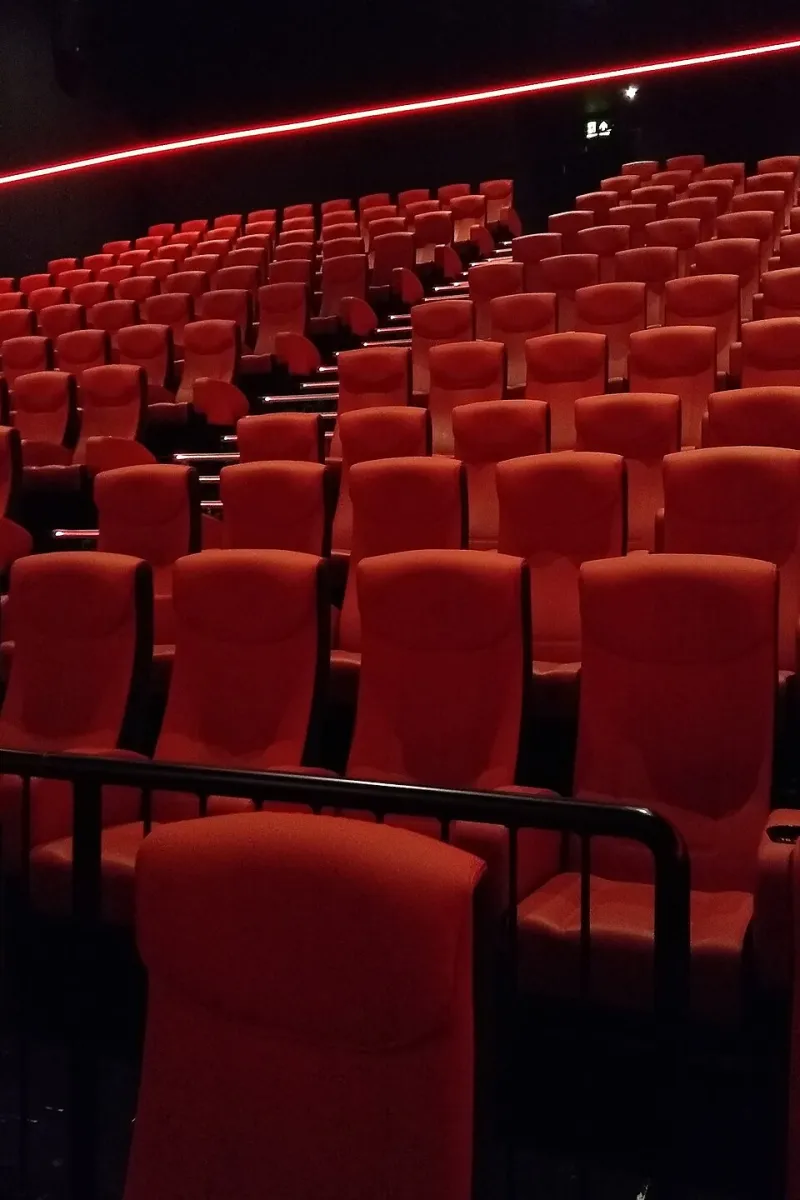
Photo: Pete from Liverpool, UK, CC BY 2.0, via Wikimedia Commons
American movies are terrified of silence. Watch almost any mainstream release and you will notice the pattern: a pause appears, and within seconds a score swells, a character cracks a joke, or a sound effect fills the gap. Silence is treated as a problem to be solved.
Asian cinema often treats it as a tool. In films from Vietnam, Thailand, and the Philippines, silence is not the absence of story. It is the story. A character sits. A fan turns. Rain hits a roof. Someone breathes. The camera holds. And in that space, you feel something that dialogue would only explain.
Silence Is a Sound, Not a Void
Sound designers talk about room tone — the low, living hum of a space even when nobody is speaking. A good film does not eliminate that hum. It lets you hear it. The result is a kind of intimacy that feels documentary-like even in a staged scene.
In Tran Anh Hung's The Scent of Green Papaya, silence is built from small sounds: footsteps on tile, water dripping, the rustle of leaves, the tiny movement of ants carrying rice. The film has almost no conventional plot momentum, yet the quiet makes Mui's inner life legible. We are not told what she notices. We hear it.
The Scene That Says Nothing
Consider the dinner scene in Apichatpong Weerasethakul's Uncle Boonmee Who Can Recall His Past Lives. A dead wife appears at the table. A lost son returns as a red-eyed creature. The scene could be scored like a horror set piece. Instead, it plays with ambient insects, clinking dishes, and long pauses. The silence does not make the moment less strange. It makes the strangeness feel ordinary, which is far more unsettling.
The same principle runs through Lav Diaz's Norte, the End of History, where long takes and sparse dialogue force you to sit with a character's choices. The camera does not cut away when things get uncomfortable. Silence becomes duration, and duration becomes moral weight.
Why Hollywood Fills the Gap
American studio films are built on clarity. Producers want audiences to know exactly what to feel at every moment. Score is a guide rail. Dialogue is a safety net. Silence risks confusion, and confusion risks boredom, and boredom risks the box office.
That is not a moral failure. It is a different set of priorities. But it does mean that when an Asian film trusts silence, the effect can feel unusually direct. You are not being told to cry. You are simply in the room when something breaks.
The Discipline of the Long Take
Silence and duration often travel together. A long take without dialogue can feel indulgent, but when it works, it changes your relationship to time. You stop waiting for the next plot beat and start noticing the frame: the light on a wall, the angle of a shoulder, the way a character avoids eye contact.
In Inside the Yellow Cocoon Shell, the camera often lingers after the conversation has ended. The silence lets the emotional aftermath land. In Blissfully Yours, the jungle is never quiet, but the human dialogue drops away, and the ambient sound takes over. The film does not explain what the characters feel. It lets the environment say it.
What Silence Does to Your Brain
Film scholars have long argued that sound and image are not separate tracks. They are a contract. When a filmmaker removes score, the audience starts listening differently. You lean in. You become alert to small details. You fill the gap with your own memory.
That is why silence can feel more personal than a soundtrack. A score tells you what the director wants you to feel. Silence asks what you bring to the scene. For diaspora audiences, that question can be especially charged. A quiet family dinner, a long drive, a room where nobody says the thing everyone knows — these are not abstract aesthetic choices. They are familiar.
The Art of Trusting the Audience
The best Asian films do not use silence to be difficult. They use it because they trust the audience to stay present. A pause is not a failure of writing. It is a form of respect.
So the next time a film goes quiet, do not reach for your phone. Do not assume something is wrong. Listen to the room. Listen to the breath. The most powerful line in the scene may be the one nobody says.