Bought and Buried: The Asian Films Hollywood Purchased Just to Keep Off American Screens
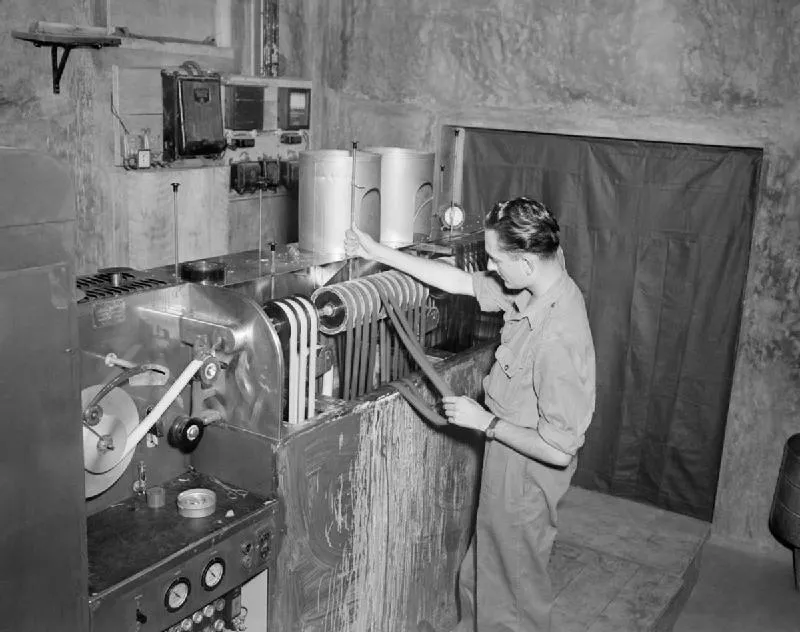
Photo: film reel locked vault Hollywood studio contract rights, via 3.bp.blogspot.com
There's a particular kind of heartbreak that doesn't have a name yet in the film industry. It's the feeling a director gets when a major Hollywood studio calls to say they want to option their film — and then absolutely nothing happens for the next seven years.
No script. No casting announcements. No release date. Just silence, and a legal agreement that prevents anyone else from touching the story.
This is the quiet machinery behind one of Hollywood's least-discussed habits: buying the remake rights to Asian films not necessarily to make them, but to make sure nobody else does either.
The Option Game, Explained
For anyone unfamiliar with how this works, here's the short version. When a studio options a film, they're essentially paying for the exclusive right to develop a remake within a set window — usually one to three years, sometimes renewable. If they don't move forward, the rights theoretically revert back to the original creator.
But "theoretically" is doing a lot of work in that sentence.
Renewal clauses, first-look deals, and layered contractual language can extend these arrangements almost indefinitely. A studio that paid a modest six-figure sum to option a Korean thriller in 2015 might still technically hold those rights today — with no film to show for it, and no legal obligation to explain why.
For studios, this is low-risk IP management. For the filmmakers on the other end? It can feel like watching your own work get locked in a vault.
A Pattern That Keeps Repeating
The list of Asian films that have been optioned by Hollywood and gone nowhere is long enough to fill its own streaming catalog. Korean genre films, Japanese psychological dramas, Thai horror properties, Vietnamese coming-of-age stories — all of them have had their moments of Western interest, followed by extended, unexplained inactivity.
Some of these cases eventually become public knowledge when a filmmaker speaks out. Most don't. Non-disclosure agreements are standard in option deals, and creators who want to maintain relationships in the industry rarely have the leverage to push back publicly.
What makes this pattern particularly frustrating is the timing. Studios tend to move fast when an Asian film breaks through — when it wins a major award, goes viral, or pulls unexpected numbers at the domestic box office. The option call comes quickly. The development process, if it starts at all, moves at a completely different pace.
By the time the rights lapse or get quietly dropped, the cultural moment has passed. The original film has aged out of its window for mainstream American attention. And the story, for all practical purposes, has been neutralized.
"They Weren't Buying the Story. They Were Buying the Silence."
That's how one Southeast Asian producer — speaking without attribution because of ongoing industry relationships — described their experience after a debut feature got optioned by a mid-major American studio in the early 2010s.
The film, a tightly constructed thriller that had won festival recognition across Asia, seemed like a natural candidate for an American remake. The option deal came with genuine enthusiasm from a development executive who left the studio eight months later. After that, contact became sporadic, then stopped entirely.
The rights were renewed once. Then again. The producer spent years watching American studios release films with strikingly similar premises — none of which were official remakes, none of which triggered any legal action, all of which left the original work sitting in contractual limbo.
"At a certain point, you start to wonder if the whole point was just to make sure your story didn't compete with something they were already developing," the producer said. "It's not a conspiracy. It's just business logic. And that almost makes it worse."
The Competition Angle Nobody Talks About
Here's the part of this conversation that doesn't get enough attention: Hollywood studios are not just in the business of making films. They're in the business of managing markets.
When a Korean action film starts drawing real interest from American distributors, it represents a competitive threat — not just to a potential remake, but to the broader ecosystem of English-language genre films that studios have already invested in. Optioning the rights to that Korean film creates a buffer. It delays the original's wider American release, limits its licensing potential, and buys time for domestic alternatives to establish themselves first.
This isn't speculation. It's a logical extension of how rights acquisition has functioned in the music industry for decades. The practice of buying rights you don't intend to use — specifically to prevent others from using them — has a name in antitrust discussions: defensive acquisition. In entertainment, it rarely gets called out by name, but the mechanics are the same.
For diaspora audiences who've been waiting years for a beloved Asian film to get proper American distribution, this context matters. Sometimes the reason it never showed up on a major platform isn't lack of interest. It's that someone already paid to keep it away.
What Filmmakers Are Starting to Do Differently
The good news, if there is any, is that a growing number of Asian filmmakers and their representatives are getting smarter about how they structure these deals — or whether they take them at all.
Reversion clauses with hard deadlines. Development milestone requirements built into contracts. Limits on renewal options. Some creators are even exploring co-production structures that give them more creative control and reduce the risk of a rights limbo scenario.
There's also been a shift in how some filmmakers think about the American market entirely. Rather than treating a Hollywood option as the goal, more creators are pursuing direct distribution partnerships — working with streaming platforms, specialty distributors, and diaspora-focused outlets to get their films in front of American audiences without surrendering control of the underlying IP.
Platforms built specifically for Asian and Asian-American film audiences have become part of this equation too. When a film can find its community directly, the leverage dynamics of a Hollywood option deal look a lot less attractive.
The Films Deserve Better
At the end of the day, this is a story about stories — and what happens to them when they get caught in a system that treats them as assets rather than art.
Every optioned Asian film sitting in development limbo represents hours of work, years of creative effort, and cultural specificity that doesn't transfer neatly into a spreadsheet. The filmmakers who made them weren't building IP portfolios. They were making something that mattered to them and their communities.
For those of us who watch and care about Asian cinema, the takeaway is straightforward: seek out the originals. Don't wait for the remake that may never come. The film you're looking for might already exist — it just hasn't been allowed to find you yet.